I didn’t realize it when I was writing it, but my sci-fi novel is a sports book. There’s a bunch of politics and AI to keep things interesting. But narratively, the book is closer to Moneyball than it is to Star Trek. It’s a funny realization, but an important one. The characters in a story should feel authentic, pieces of them should be drawn from real life, from the emotions and nuances of competition.
In the last few years, I’ve been a casual viewer of a lot of Chess content. Game recaps, lectures, tournaments, all the popular stuff. Along the way, I found a few players and personalities that drew my attention and inspired me to write.
Here are a few of the most significant.
Hikaru Nakamura
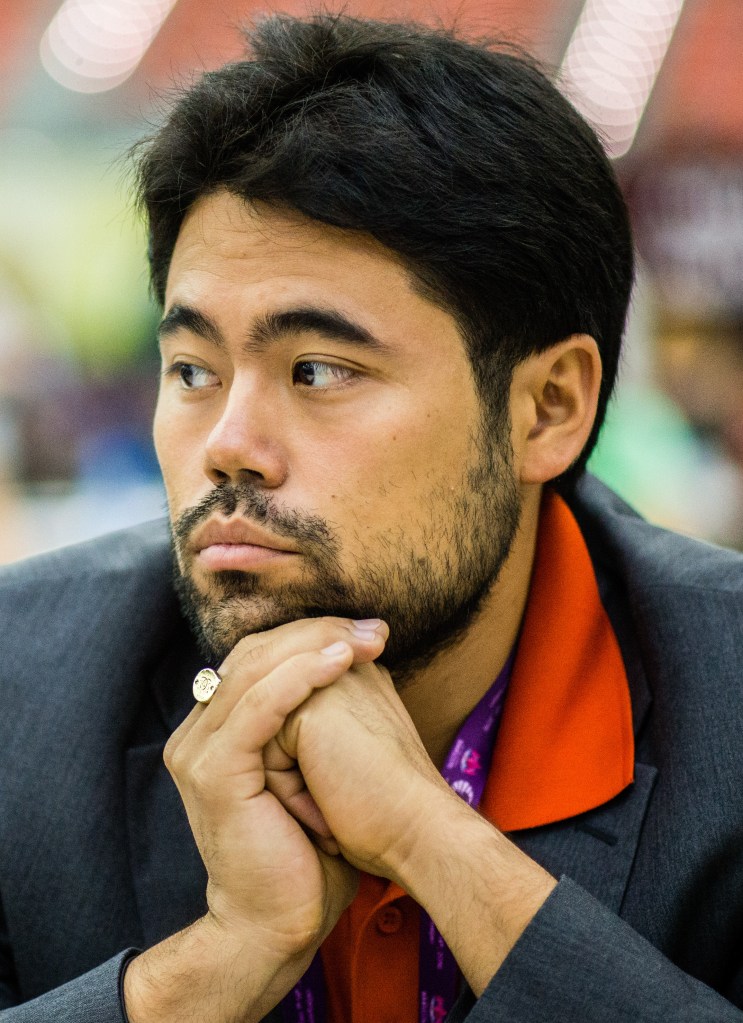
A story of achievement is great. A person from one particular background rising above their peers and climbing all to the peak of performance is cool, but it usually doesn’t inspire me. I think it’s because it feels inevitable. If we create a competition with 250 players, somebody’s gotta be the best, right?
For me, the story that draws me in isn’t one of instant success, it’s the story of failure, and the strength to rise again.
In 2015, Hikaru Nakamura was the second best player in Chess. In 2019, he had dropped down to 21st. It may seem small, but that gap was enormous and the product of 3 years of decline.
It’s a mental game. Getting so close to the top, it’s easy to coast. A person can lose their motivation, their drive for competing. Life gets complicated, new priorities arise, old priorities sink. You can even forget why you started in the first place. After 3 years of decline, it can feel inevitable, like the natural lifespan of a career coming to an end. Why bother getting back into shape when the game is already over?
But Hikaru Nakamura didn’t give up. He started streaming. He built a better relationship with the game, and eventually, he found a new reason to compete.
Today, Hikaru Nakamura is back at #2, and his chances of winning the Candidates Tournament are higher than they ever were a decade ago.
I think I find a comeback story so inspiring for two reasons. One, they’re rare. Two, they teach us life doesn’t always turn out the same way for everyone. We can turn things around, rewrite our fate, outperform even our own preconceptions.
In my novel:
Zouk Solinsen is a washed-up strategy game grandmaster. He forgot what made him love the game, he got caught up in other things, teaching students and paying the bills, and he lost his self confidence.
But unique times and unique challenges give Zouk a second chance. A chance to love the game again, a chance to sharpen his strengths and become better than ever. There’s nothing better than a comeback story.
Yasser Seirawan and Garry Kasparov
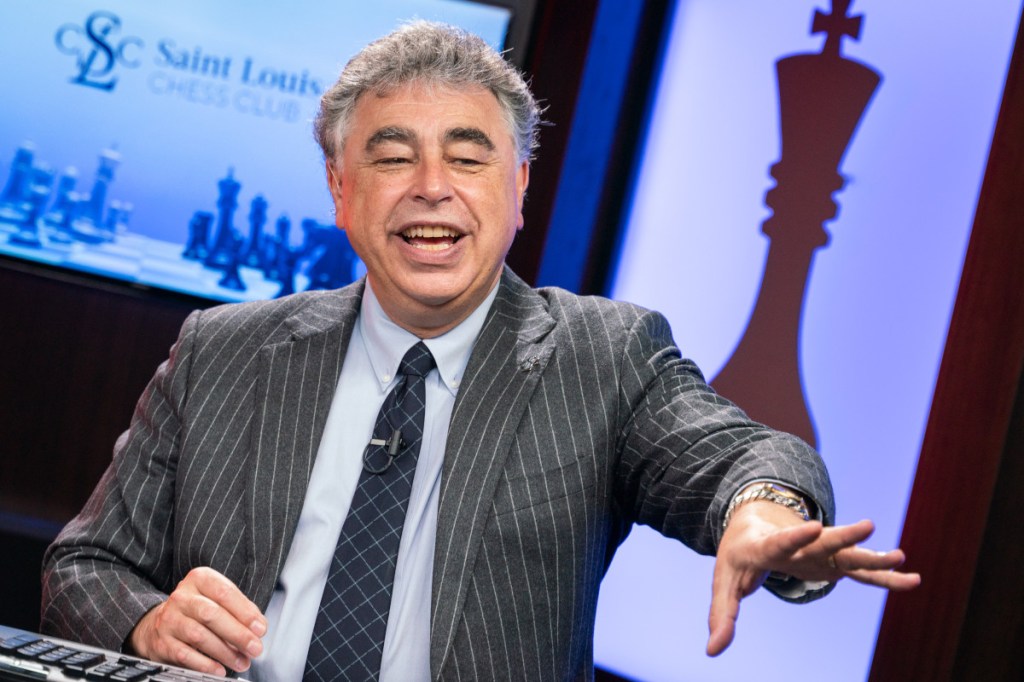
Back when I was studying chess (I’m not very good), I looked up a lot of lectures on Youtube. My favorites are from Yasser Seirawan. The man approaches teaching with a childlike wonder for the game, an excitement to share his knowledge with anyone who wants to learn.
Yasser Seirawan has been an extraordinary player in the chess scene for 30 years. He was the second for Victor Korchnoi in 1981, meaning he was the chief advisor for the challenger for the world champion title, and all of that before Garry Kasparov was even on the scene.
He’s a player that has faced generations of players. He has seen the absolute best that Chess has to offer and shares it with his students. When he describes how the game transformed with the advent of computers, it isn’t theory, he witnessed it. What better mentor could there be?
And then there’s Garry Kasparov.
In my previous post I discussed at length the significance of Kasparov vs Deep Blue in inspiring my story, now I want to briefly discuss another of the man’s aspects. Politics.

In 1984, just after Kasparov had won two consecutive games against the world champion, FIDE abruptly ended the match, citing ‘player health’. They cheated Garry Kasparov out of a world championship title, and he didn’t take it lying down. The thing is, Kasparov defeating Karpov wasn’t just about Chess. It was about the future of the Soviet Union, and the game was being watched by the whole world.
Since then, the man has led protests, been arrested, and even been forced out of Russia. Every day he shows the boldness and courage most of us wish we had.
In my novel:
Yolniv is Zouk’s mentor. In the face of nearly unbeatable opponents, his decades of experience as both a player and teacher help Zouk discover the right strategies and refine them to a point. He never fears sharing his mind, and as the plot heats up, ancient history comes back to bite him.
Danny Rensch
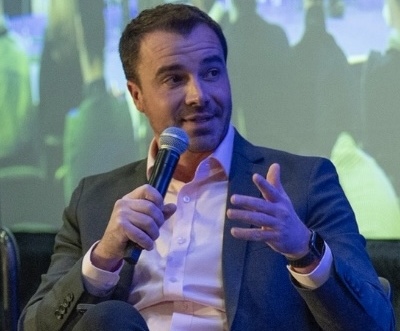
For a post about famous chess players, Danny Rensch might be a surprise. He’s an International Masters player, sure, but he’s primarily known as the Chief Chess Officer at Chess.com.
And there’s a very particular reason he’s on my list.
Danny Rensch dances on a very thin tight-wire. Every day, the man is both the face of his company, and a key decision maker behind the scenes.
To some extent, all the biggest leaders today have to walk this tight-wire. They show confidence at the investor meetings, then go to their offices and make the hard choices. It’s a funny duality, but I find it more pronounced in Danny Rensch.
When Chess.com hosts a major tournament, he’s there. Casting games, plugging products, hosting the livestream. He’s an entertainer for hours on end. Most entertainers spend their whole career developing the skill to keep people engaged, Danny only gets to do that for half the time.
For the other half, he has to deal with the ugly side of the business. When there’s a controversy in the chess scene, he’s in the room deciding how to handle it. When there’s a clash between two players, he’s mediating the reconciliation. When a tournament needs bigger names and better sponsors, it’s all on him.
He plays both entertainer and decisionmaker. He’s done it for years, and it’s really extraordinary to watch.
In My Book:
The Mind of Communication and Influence (AKA Influence), is the voice of the Minds to the general population. Day to day, Influence is a news man, a face on tv reporting to the people of Iom. But he’s also one of the three Minds. The weight of the executive rests on his shoulders. It’s easy to get the wrong impression of Influence. Either he seems shallow and entertaining, or duplicitous in the separation between his speech and his action. But there’s more than meets the eye to Influence.
Final Thoughts
There are plenty more characters in my novel, some undeniably inspired by other chess players and competitors more broadly. A Magnus Carlsen-based is definitely hiding in my book somewhere. Anna Cramling might be too.
With competition comes real people. Success for one means failure for another. Everyone who competes does so sincerely, and it’s rare to get that kind of truth from a person these days. Virtues and flaws are put on display because anything less than giving it your all dooms you to defeat, and all that honesty makes for a great character.
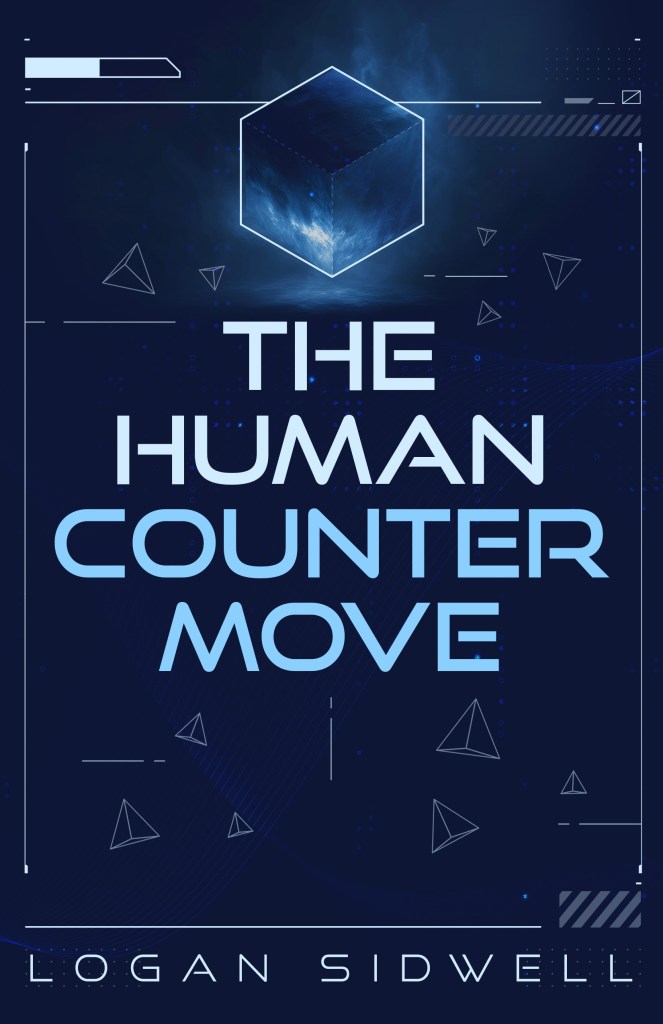
The Human Countermove is now available for purchase! Click the image to be taken to the amazon page.
Postscript: Although certain figures in The Human Countermove draw inspiration from real chess players, the story is a work of fiction. The characters and their choices are not reflections or critiques of any actual individuals.
 Author Logan Sidwell