The Monkey Wrench Gang Taps Into A Timeless Rage

My favorite books are the ones written from a totally unique perspective. For me, there is no greater joy than seeing the world through the eyes of someone I’ve never even met. What matters little to me matters lots to them. What I don’t see, they stared at their entire life. What I hate, they love.

The Monkey Wrench Gang by Edward Abbey is one of those books. It’s fifty years old, but its rage makes it feel like it was written yesterday. Edward Abbey is a self-described anarchist. A warrior against the industrial world. And the way he shares his views is downright infectious.

Eco Warriors in Southern Utah

The Monkey Wrench Gang tells the story of four people who don’t fit into society. Hayduke is a Vietnam veteran with a hatred for authority. Seldon Seen Smith is a polygamist whose hometown was drowned by the creation of Lake Powell. Doc Sarvis is a healer and a skilled billboard toppler. Lastly, Bonnie Abbzug is a dancer from the Bronx. When these four anti-establishment individuals discover their shared worldview, they set to work dismantling the machines and symbols of industry all over Southern Utah.

Sabotaging freeway constructions, shoving tractors off cliffs, even destroying a bridge or two are well within this group’s capability. Every act is described in thorough detail. The book follows the group as they move from job to job, each act of rebellion more ambitious than the last. We see the quiet moments as they probe each other’s philosophies, the loud moments when their work inevitably runs afoul of law enforcement, and the scary moments when life and death are in the balance.

The writing has a country edge to it. The dialog can swing blunt and vulgar, and some of the behaviors of the characters can be downright classless. But at the same time, it’s authentic. These aren’t perfect people, they have vices and flaws and pasts that torment them. When a helicopter comes flying over and Hayduke warns the team not to look up, it’s not because he studied helicopters in a book, it’s because he had to hide from them in the war.

There are so many stories these days about people with perfect lives and simple pasts. They use clean language and avoid offensive action. One mistake often defines who they are. We want to be able to sympathize with our characters. They need to appeal broadly.

These characters aren’t like that. They’re flawed, they’re often broken, and when they engage with the world, it’s with an edge sharpened by years of living outside of civilized society.

Rage and Anarchy

Edward Abbey’s vision of the world is seeped in rage. The characters aren’t mad at a single broken part of a mostly working system, but at a humanity that can’t seem to stop themselves. When Hayduke and Doc look out at a new bridge across the Utah Desert, they don’t see a great new way to travel, they see modern industry bulldozing over what used to belong to all of us.

And it’s not high-minded either. When Bonnie sees a bridge that brings more traffic to a certain canyon, she’s pissed her canyon is being taken away. When “Seldom Seen” Smith looks at Lake Powell, he sees the town he used to live in and the canyons and secrets he used to know buried by a new recreational fishing area.

The world they remembered was taken from them.

It’s my favorite aspect of this book. I’m pretty young, by the time I was born Utah was full-speed on industrialization. Two years ago, the view from my home was a big flat desert. Now it’s three layers of houses. My only memory of Utah is now. This book captures the state when it was untamed.

A lot of books today like to talk about anger. Characters go on big diatribes about ‘getting back what was taken’. In most cases, I find that talk empty. Not here. When Hayduke sees a tractor, gets out his car, and drives it into a ravine just to stall industrialization for a day or two, I feel that in my soul.

The Right Book A Half Century Later

Don’t read this book for a great ending, read it for the adventure, read it to see the world through an anarchist’s eyes, read it to feel a rage that’s not acceptable in polite society. We live in such a censored age, a lot of the words I want to use to describe this book and the actions taken in it have to be left out of the review.

I picked this book up because three of the most interesting people I had ever met all recommended it. Now I understand why. In a lot of ways, it feels like the perfect timing. Utah sits at the center of a new war against data centers. The rage I felt in Hayduke’s heart as he watched the government lay down miles and miles of freeway is the same rage that pulses in my own as I read about the new mega-structures they want to build in Box Elder. It’s the pain of seeing the world we grew up in ripped away and turned into something we don’t understand.

The Monkey Wrench Gang taps into emotions most books can’t reach. It’s fifty years old, but it feels like it was written yesterday.

How A Writer Reads Their Client’s Mind

I used to write for an ed-tech company. We produced these magic schoolbus-like simulations where students in a computer lab used their curriculum to solve various crises and dilemmas. From time to time, organizations would commission us to create custom experiences. I got to write for 4H, Hill Air Force Base, US Synthetic, and a couple others.

The one I remember best was for Colorado State’s Veterinary College. We called the mission ‘Do No Harm’. It started with a sick sheep. The crew would shrink down, fly in, and over the course of a thirty minute adventure, cure the sheep of its ills.

But it was one particular meeting that still sticks with me. My team had finished the product and we were demoing it to the head of the program. We walked him through the whole experience. When it was over, he had an odd look in his eye. He scratched his chin, leaned into the camera, then asked how it was I had managed to read his mind. We laughed, but he was serious. He had no notes on the simulation, no items to change, it was ready to ship.

I didn’t tell him, but I had read his mind. It happened on our very first call. He didn’t spell it out or anything, but the program director told me everything I needed to know.

The Strategy Interview

When I jumped into that first ‘get to know you’ call, my primary concern wasn’t the story I’d tell, it was understanding my client’s goals and strategy. He regaled me with his vision of a thrilling adventure fighting off parasites with spaceship weapons. When he was finished, I asked him a couple big questions.

Where will this experience take place?
Who is the audience?
What are your goals?

Every question was open-ended by design. The more the client gave, the better the result.

His early responses told me the tone of the project. It was meant for middle-grade students, so I tuned the dialog to be a little more mature. It would be flown in a single computer lab as a part of a tour, so I book-ended the experience with tour shoutouts. His goal was for students to be excited about the work of veterinary medicine, so I made sure the experience was loving towards animals and ended on an upbeat note.

The most important element of the strategy interview was that I didn’t try to project my own idea onto the project until I understood the client’s goals. His answer shaped the foundation of the project. If I came in with my own pitch, prepackaged and ready-to-go, the idea wouldn’t fit. The age-range would be wrong or the tone would be too dark or the story wouldn’t emphasize the medical aspects.

The big-picture answers set the frame of the project.

The Personal Interview

Once I had an understanding of the shape and texture of the story, I shifted to more personal questions.

What made my client love veterinary medicine?
What moments were they most excited to see in the program?
Which animal did they want to treat?
What kind of challenges did my client encounter in the day-to-day of veterinary medicine?

These were the answers that gave the story authenticity. My client’s focus was farmwork, so putting an elephant or a giraffe onto the operating table would have been a big miss. 

As they told me more about their own experiences and their love of their work, I pivoted my plans. My client didn’t know it, but they wanted to see their lived experiences reflected back at them in the art. When they told me about curing a horse’s case of colic, I made sure to include it. When their eyes lit up telling me about the four compartments of a sheep’s stomach, you better believe those four compartments had to be scanned during the mission.

By the time we were done, the story wasn’t just a story, it was an interpretation of the client’s passion for his work. The personal interview gave the simulation those moments of delight and specificity that connected the client to the product.

Writing as a Product

We writers like to look at our works as art, and art alone. When we imagine ten million people reading our masterpiece, it’s all about the message being conveyed, or the emotions being evoked, or the characters that sweep them away.

This is the biggest difference between clients and writers. A client asks for a story in service of a purpose. The story, with all its themes, characters, twists-and-turns, is at the end of the day, a product. If you talk to the big executives at Amazon and Netflix, they don’t even call tv shows stories, they call them ‘content’. And if content fails to further a client’s goals, then it’s a bad product.

If your goal is to read your client’s mind and pluck an image from their brain, start by seeing the story from their point of view. Look at it like a product. What is that product doing? How will it serve the client’s goals? Starting with the right restrictions and expectations will save weeks down the road.

Once the restrictions are set, you can bring in the artist to turn the story into delight and wonder.

Learning From The Business Side

I used to see my books exclusively through the lens of the artist. Then I self-published. A week in and I found myself neck-deep in entrepreneurism.

My first misstep was the title. Everyone said the title wasn’t good enough. I didn’t understand why. I was the artist, and it was an interesting title, Mind’s Bane.

It was only when I looked at the title through the lens of a businessman that I realized my mistake. Mind’s Bane was a very interesting title for a dark fantasy book. Unfortunately, I was trying to sell a dystopian sci-fi. It was a title that failed to connect my book to its audience, a fundamentally commercial problem.

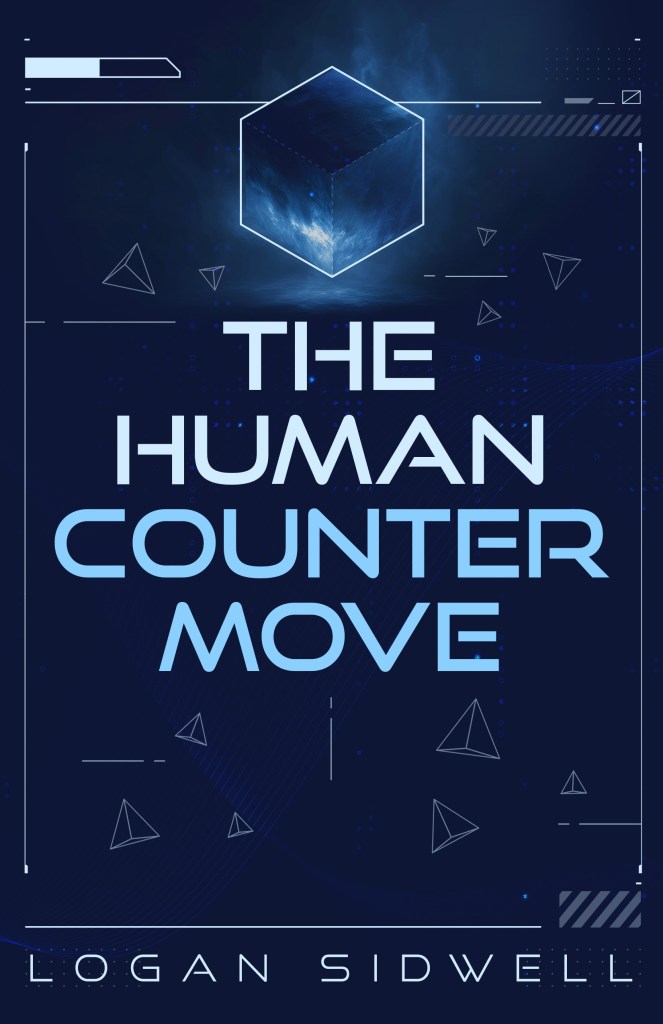
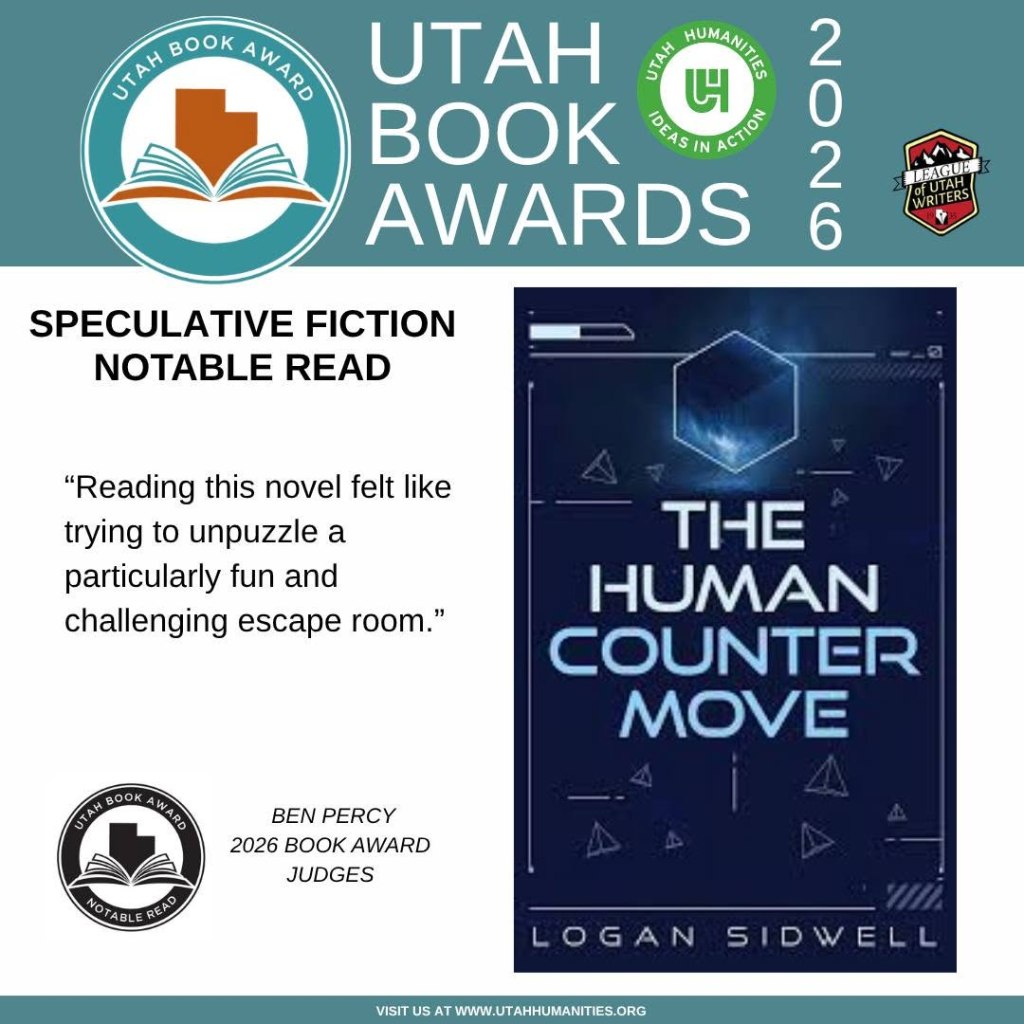
So I kicked the artist out of the room and found a more appropriate name. One that captured the concepts of sci-fi, dystopia, strategy, and ai. The Human Countermove.

Every conference I go to has a bunch of presentations on ‘how to make a good protagonist’ or ‘how to keep up the pacing of the story’. I used to think limiting your art that way was a mistake. I wanted the story to tell itself.

As I write my third and fourth books, I’ve come to understand the wisdom of those presentations. For an audience to enjoy a story, they have to like the protagonist. For them to stay engaged, the story needs good pacing. It’s good business, and it makes better art.

When we as writers and artists speak to our clients, it’s easy to see ourselves as the expert in the room. But everyone has their own set of skills to bring to the table. The client understands their goals and strategy. We understand how to produce the art.

There’s no telepathy in commissions. It’s all about understanding. When my client saw the simulation we had created, he loved it because it was the product he had been looking for. From the business side, it served his goals. From the art side, it resonated with his life experiences. All I needed was a couple conversations.
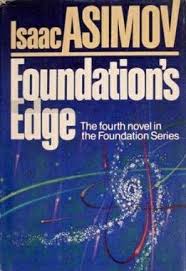
Foundation’s Edge (#4), Isaac Asimov – Book Review

29 years after writing the original trilogy, Isaac Asimov continues Foundation’s generation-spanning space epic with Foundation’s Edge.

The Foundation book series has always been a little strange. Every one of them has felt a bit like an accidental sequel to the last. The first book was a series of short stories, the second book threw the original concept in the trash, and the third book took the ideas from the first two and developed them into a spy thriller. 

Combine all that with an author coming into his own and every one of these books feels completely distinct. I’m happy to report that the fourth book in the series continues the pattern of genre-bending ideas and thrilling twists at a galactic scale. 

Read my discussion of the first three Foundation books here: How Asimov Saved The Foundation Books

Plot

Over a century after book 3, Foundation’s Edge tells the story of Golan Trevize, a council member in the First Foundation, as he investigates the invisible powers pulling The Foundation along the track to becoming a galactic empire. In parallel, Stor Gendibal, a leader of the psychic-led Second Foundation, uncovers a terrifying truth about the Seldon Plan.

For the first half, the story is a political thriller. At each twist and turn, Asimov makes sure to keep the audience fully informed as to what each action did, what it was aiming to do, and how each of the minor characters changes the calculation of the book.

After a series of political maneuvers, speculations, and schemes, Golan Trevize is sent off in search of ‘Gaia’, humanity’s legendary origin planet. At this point, the book’s genre suddenly changes. In a single chapter, we move from political thriller to treasure hunt. Adventure and mystery keep the story moving and the stakes climbing ever upward, ending in a satisfying conclusion.

Asimov’s Writing

Isaac Asimov learned a lot about writing in the nearly thirty-year gap between the third and fourth books. For the first time in the Foundation series, Foundation’s Edge tells a single, continuous story. Multiple POVs, yes, but it begins at the beginning and ends at the end. No century-long time jumps and no being introduced to an entirely new cast of characters halfway through the story. In this book, we have the time to get to know the characters and truly understand their motivations.

For a good bit of the story, I was confident it was setting up a new trilogy. The first half was paced much slower, deeply exploring the political intrigue while reminding the readers of the events of the past three books. By the two-thirds mark, there were a lot of starts without a lot of resolutions. I was pleasantly surprised when the final third of the book jumped into high-gear, delivering a tense and action-packed finale that closed every thread and reached the grand-scale the Foundation series is known for.

The Conclusion

After the first three books, the Foundation series felt like it was over. The goal of galactic empire was centuries away, but all the major factions had reached a balance, and the ending felt inevitable. With this story, Asimov re-contextualized past stories and painted the inevitable conclusion as a defeat rather than a victory, he introduced adventure and mystery to a completely mapped galaxy and layered new complexities on an already complicated universe in a way that breathed new life into the series.

Much like Asimov’s first and third books, Foundation’s Edge is a conclusion. But this time, the story also feels like the beginning of something new.

The Invisible Man and The Picture of Dorian Gray: Two Masters Explore Consequence

Intro

I love stumbling across paired stories. Those rare and curious times when two different writers take on the same concept around the same time. There are plenty of Hollywood examples. Armageddon and Deep Impact. White House Down and Olympus Has Fallen. The Illusionist and The Prestige. It feels like two philosophers each making their own argument in the public forum and by reading their story, you see the full journey to their conclusion.

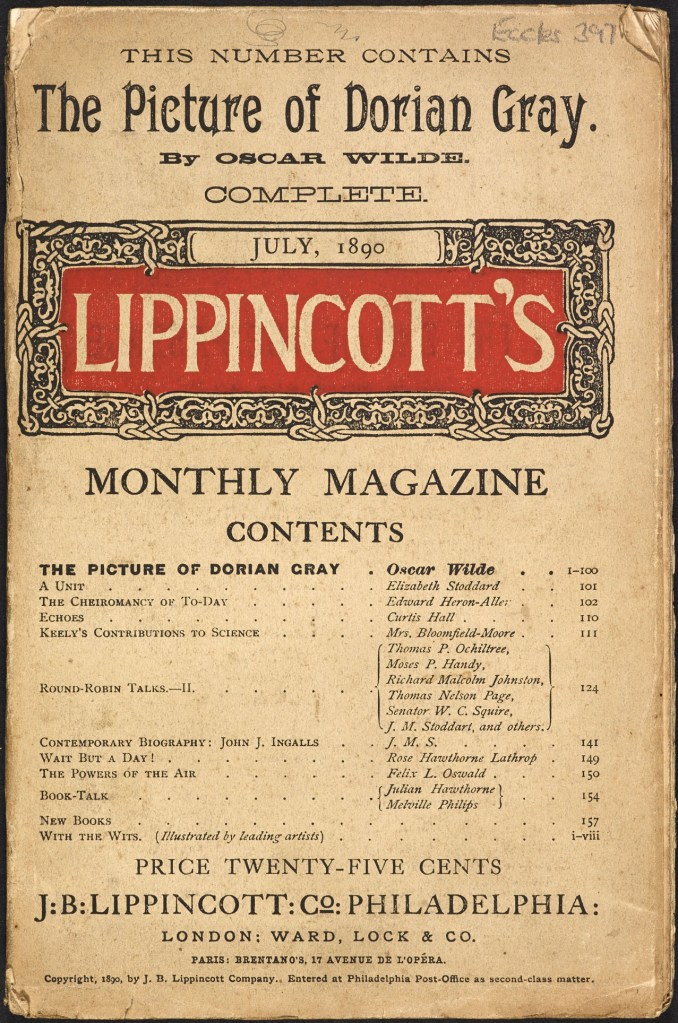
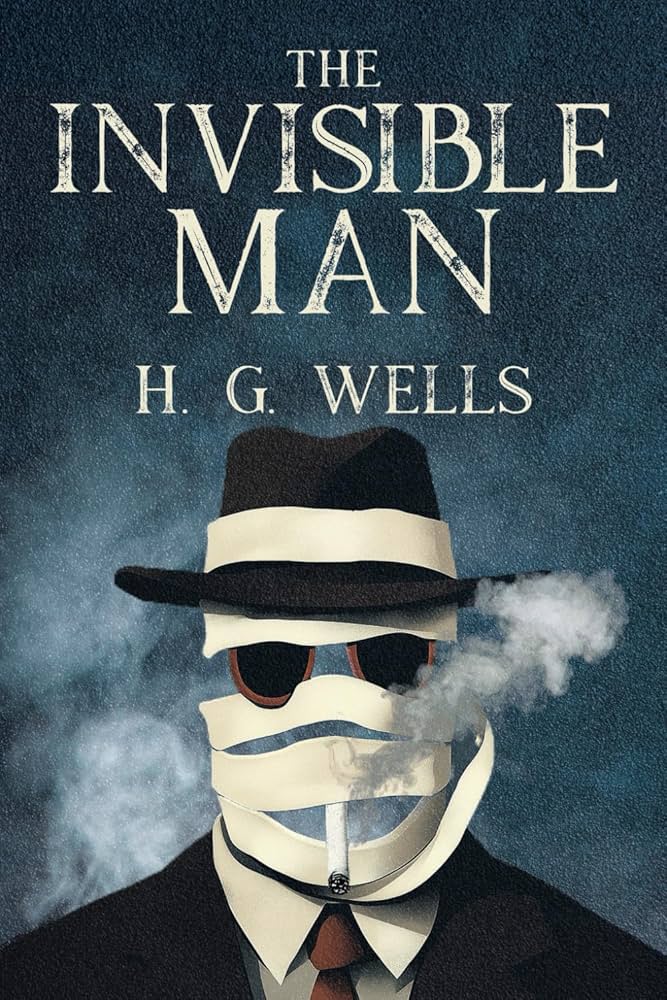
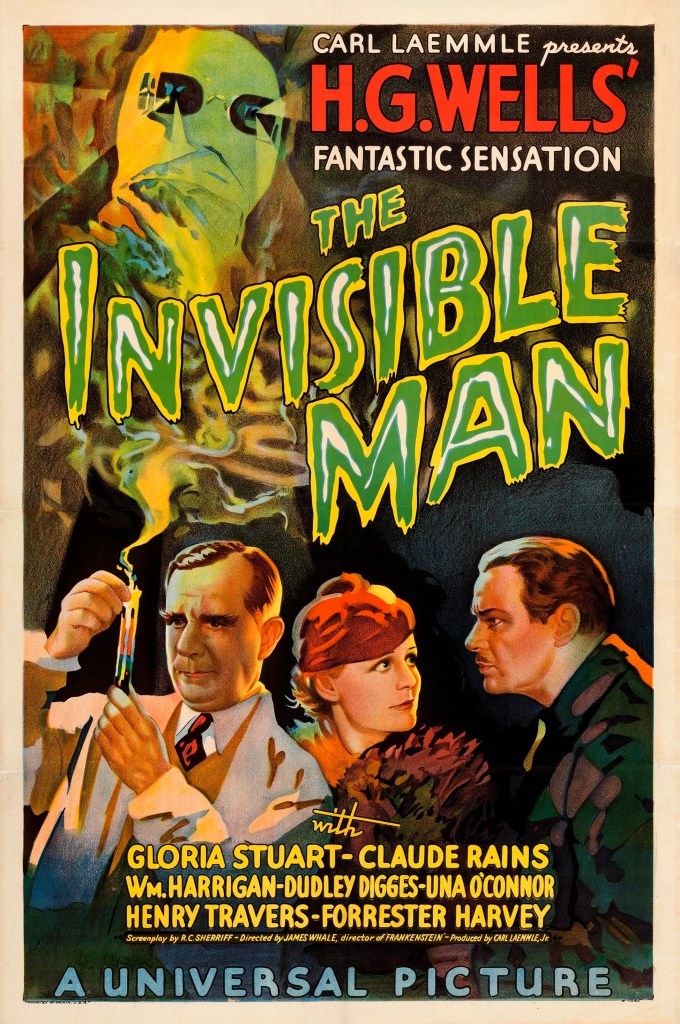
In the 1890s, two of the greatest authors of their time wrote two of their greatest books. First was The Picture of Dorian Gray. Originally published in Lippincott’s Monthly Magazine in 1890 and expanded into a novel in 1891, it stands as Oscar Wild’s only novel in a career writing plays and poetry. Then in 1897, two years into HG Wells half-century long science fiction career, he released The Invisible Man.

Both stories have been told and adapted and shared millions of times over the years, both stories have outlived their creator. And while the two stories on their face appear completely different, both try to answer the same question: What would a person become if they could act without consequence?

To me, these two books are my favorite example of paired works. An opportunity to see a sci-fi writer and a playwright approach the same philosophical concept. A chance to observe two masters each bring their own unique perspectives and reach vastly different conclusions.

Two villainous leads

When a skilled storyteller knows what kind of story they want to write, even if they don’t know the details, the nature of the story trims down the possibilities. If you want to tell a story of someone reconnecting with a community, it means they had a community to begin with. If you’re writing a revenge power fantasy, it usually helps for the main character to at one time in the past be a uniquely skilled fighter. I like to call it ‘novel-writing algebra’.

In the case of a theme like ‘no consequences’, both storytellers realized they had to start from the same place. To truly explore the space, each story’s protagonist had to be more villain than hero.

The Picture of Dorian Gray tells the story of eponymous Dorian Gray, a young man that values his appearance and youth above all other things. After realizing all his cruelties appear on his portrait rather than being reflected onto his person, he embraces his worst tendencies. Hurting those who love him, extorting, murdering, everything he can think of in one long hedonism treadmill.

The Invisible Man’s protagonist is just as reprehensible, but in his own way. Jack Griffin, for what it’s worth, earns his invisibility. He discovers the means to turn living tissue invisible and uses it to burgle, rob, and threaten. But it wasn’t the invisibility that made him that way. He robbed his father even while his skin was still opaque. Throughout the book he is teasing and cruel to the people he is closest to. The kind of man no person would want to associate with in real life.

A pair of cruel characters for a pair of moral lessons. How else could you teach it? If you start with a good character using their protection for a good cause, you end up with The Invisible Woman saving the world in a comic book.

Both authors realized that in order to explore the concept of consequence fully, they needed a bad actor to exploit the situation.

Freedom from Consequence

At the question of ‘What does a bad person do without consequences?’, our two authors diverge.

HG Wells goes down the obvious path. Mayhem, havoc, and immediate self-serving cruelty. In every action, The Invisible Man acts as untouchable as he feels. HIs dealings with others are impatient and demanding. As the story goes on, his ambition grows. His vision expands from short-term robberies to an ‘epoch of the invisible man’ by means of violent threat.

A bully. That’s all Griffin is. The second he gets an ounce of power, he stretches it to its utmost with no plans for the future. At the outset, this feels like the only answer. A person without fear of reprisal tries to force the world into their vision of things.

But Oscar Wilde’s take is vastly different.

Dorian Gray isn’t an ambitious man, he’s petty. Looks matter more than character. Charm more than soul. Over the course of a lifetime, consequences seem to evade him. When a man comes to avenge his sister, he realizes that Dorian Gray couldn’t possibly be the man from 20 years ago, after all he hasn’t aged a day.

When Dorian is given the freedom to do as he’d like, he doesn’t shape the world, he plays with it. People and institutions become toys to be tinkered with, broken, and tossed away. Even when hiding a body he handles the whole situation with a cold psychopathy. The dead man isn’t a person, it’s a thing. Dorian accumulates wealth and connections all through the world and his capacity to do expands, but the answer to ‘what will he do’ seems to come down to a single answer: whatever he feels like.

Although Griffin is supposed to be the more intelligent of the two characters, Dorian without a doubt makes better use of his power. He feels more real too, like one of thousands of kids born and raised into wealth under a system built to protect and empower them. A lifetime with no fear gives him a detachment from his actions. Everything is a game to be played and moved on from.

When the hammer comes down

Both authors reach similar conclusions at the end of their stories. Even if a person sees no immediate consequences to their actions, there are always consequences.

The Invisible Man gives the easy answer. If a person behaves cruelly for a long time the world will eventually hunt that person down and deliver the consequences nature tried to protect them from. Jack Griffin’s final moments are spent being beaten by a mob. Victim not of a single action, but the sum of all his behaviors.

I don’t know how much I believe it. There are plenty of stories of people getting away with their crimes, even in a court of law. Even tyrants die of old age from time to time.

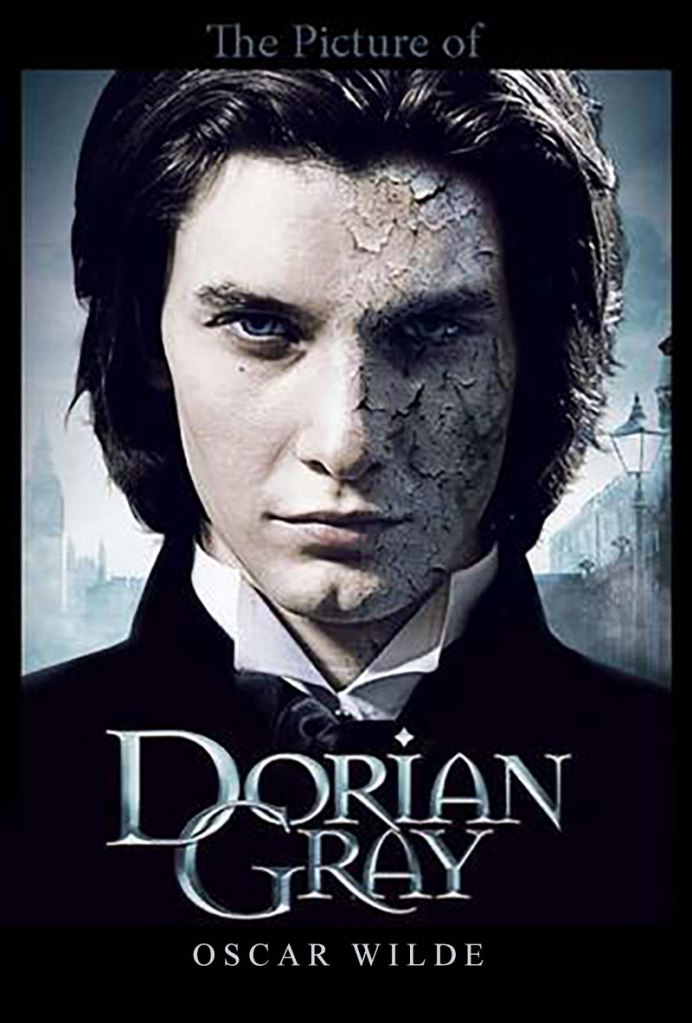
Oscar Wilde gives a different vision of ‘consequence’, and one that is clear from the beginning of the book. With every sin Dorian Gray commits, his portrait changes. A cruel smile at the edge of his lips, bloodstains, scars. The portrait isn’t just a magical painting, it is a reflection of Dorian’s soul, and for me, the better answer to the question of consequence.

Even if the world never retaliates. Every evil action distorts a person’s truest self. A murder doesn’t just stain the hands, it stains the heart. By the end of Dorian Gray’s life, the portrait doesn’t even look human. Terrible deeds have reshaped the man so far as to cut out his humanity entirely.

Conclusion

It’s impossible to move through life without seeing the occasional villain. I think that’s what makes the theme of ‘consequence free action’ resonate. Injustice is a part of life. Maybe what that makes these stories palatable is knowing the author will deliver some kind of justice by the end.

To me, The Invisible Man has the feel of a comforting moral tale for the upstanding in society. Eventually evil will be held accountable, even if it takes awhile.

But The Picture of Dorian Gray gives an answer that feels truer to life. Justice is not exact. Sometimes the worst of the worst escape their consequences and the good suffer in their wake. The only thing that can truly be said of the person that acts with no fear of reprisal is that they will eventually lose their personhood entirely and by the end of their life become unrecognizable to the world around them.

December Update: 100 Days Since My Debut

December already! It’s hard to believe my debut novel has already been out for 100 days. I set a one year sales goal for myself at the start of this process. A number drawn from speaking to other indie writers, and one I could be proud of if I hit it. 

We hit the goal on day 68.

Some of that was farmer’s markets, some of that was family, but most of it was reviewers sharing their thoughts and inviting others to experience the story. For everyone who bought my book and helped me reach my goal, thank you. There is no way I could have reached this goal without you.

Reviews of The Human Countermove

Now that the book has been out for a bit, I’ve been able to get real feedback from reviewers, family, and friends. 

At my extended family holiday party, I found out that about a quarter of the attendees had read my novel from front to back. As an artist, it’s difficult to glean meaning from loved ones’ feedback. We can’t always take opinions at their face value, especially when the opinion-giver doesn’t want to offend. This meant I had to resort to interpreting signals. This was my system: I knew at least a half-dozen relatives that had bought my book. If none of them mentioned it during the holidays, or only mentioned it in passing, it would have been a strong sign they couldn’t get through it. If they finished the book and mentioned a plotline, that meant the book was readable.

But neither of those possibilities were the case. My extended family had not only read my book, they had shared it around to other relatives and friends. So far, my favorite compliment was when I started telling one of my cousin’s about my next book and they said “Woah! Spoilers!”.

Here’s another signal I’ve been reading wayyyy too much into: At my local writer’s events, I’ve had four author friends approach me about my book. Each one of them has been eager to tell me how they would have made X plotline pop or amped up the pacing during section Y. I love hearing the different perspectives and approaches to storytelling. But in terms of signal interpretation, the number one message I took away was this: They read the whole story, stayed engaged the whole time, and only had minor notes on how to make it better.

I’ve now passed 12 reviews on Amazon. It’s hard to overstate how important getting to that double-digit number really is. Enough reviews helps new readers trust that the book really is a ‘book’ in a market filled with AI slop. So thank you again to everyone who has written a review on any platform.

Audiobook Underway

If you know me, you know I’ve worked as a part-time voice actor for the last six years. Thanks to a few connections, I was able to secure a recording booth for the audiobook version of The Human Countermove without going bankrupt. We’re 15 hours into the recording process and about three-quarters of the way through the initial recording. I’m anticipating bringing in an actor and actress to fill in a few of the voices that I think could be improved. The recording process should be complete by the end of January. After that, we’ll see how long editing takes.

A nice benefit of doing the audiobook is a thorough word-by-word proof read of the novel. There weren’t many errors, but my favorite so far is a moment when I used the word “basket” instead of “bracket”.

Project APHELION Draft 2 Complete!

Project APHELION has been my biggest focus this year. The manuscript is now sitting at 102,000 words. Second drafts are way harder than the first. It feels like 100 hours of constant decision-making. Things that were left for later suddenly have to be dealt with, hints in the first draft have to be cemented into plotlines, characters arcs have to lose much of their ambiguity.

But it’s done! The second draft has been distributed to a few alpha readers. I’m feeling really good about this story. It’s my first foray into fantasy and I gave it everything I had. A third draft is underway to pretty up the prose and fix continuity errors. It should be querying to agents by January!

New Projects

If you’ve been tracking my current projects page, you’ll see I have two new projects. PRINTHEAD and RELENTLESS. 

PRINTHEAD is my megaproject, and it’s been delayed. The rough outline was getting out of hand and one of the three key POVs had a lot of scenes missing. Plus I don’t want to start on my megaproject until I have a few more regular books out for consideration with agents. I will return to this project. I love it too much not to.

RELENTLESS is my silly project. It’s a spin on the revenge power fantasy genre with a much lighter tone (I wrote a bit about that genre here). My last two projects have been so serious, I decided that this time around, I’m having fun. Whenever an idea that makes me laugh, it goes on the page. I’m already 10% of the way through the first draft and enjoying every minute of it. I wouldn’t be surprised if it were in alpha reader’s hands by the start of March.

Closing Remarks

I’ve been getting closer and closer to my goal writing pace. Having a book out in the wild helps a lot. Having one project to edit and one to write is nice too. One of the hardest parts of being a writer is having a hundred ideas in your head but only being able to writing one or two a year. I’m hoping that problem will be resolved soon.

My website’s been getting a lot more traffic lately. If you’re new, thank you for dropping by! If you’re interested in my writing, I have a few short stories from last year available here and I post essays on various subjects here weekly.

Thank you all for your support. Looking forward to more stories next year!

The Best Art Isn’t Popular, It’s Specific

In 2022, I bought a ticket at my local arthouse cinema for the movie Living with Bill Nighy. All my coworkers told me it was terrible. They warned me the pacing was slow, the message was hollow, and the movie was boring. I saw it anyway.

I bawled in the theater.

It’s a good thing no one went with me, they would have been dealing with a blubbering mess for half the show. Three years later, it remains the best movie experience I have had in my life. When I came back to work, my coworkers tried to convince me I was wrong. They told me I had overlooked the movie’s flaws. They told me there was no way I had really enjoyed the experience. But the real message was clear: The group hadn’t enjoyed it, so I shouldn’t either.

Their experience didn’t change my opinion. If I had listened to them from the beginning, I would have missed out on one of the most emotionally impactful evenings of my life.

Living isn’t a movie for everyone. But for a few, it resonates deeply.

Broad vs Specific

There’s a concept in comedy. Broad vs specific. Broad comedy is the kind that everyone will laugh at. A slip on a banana peel, a silly noise, commentary quality of airline food. The most successful comedies in the world are broad comedies. After all, how would you bring in tens of millions in the box office if they didn’t appeal to everyone?

What people don’t talk about is specific comedy. Comedy targeted at a small group of people and appealing to their shared experiences. There’s a reason the cardiac doctor gets gut-busting laughs at the health conference and crickets at the local comedy club. “Drum Sound Check at Medium Sized Venue’ from Fred Armisen’s album 100 Sound Effects is a perfect example, funny for concert goers, totally unfamiliar to everyone else.

But the concept of broad and specific doesn’t end at comedy. It extends into every marketable genre. In music, broad pop music covers dancing in a nightclub while specific country music tells the tragedy of growing up in a particular part of the south. Most importantly, the concept of broad and specific applies to art. Broad art covers wide themes and topics with mass appeal, while the specific speaks to the soul of an individual.

Producing any piece of art meant to generate income means the art must be broad in nature. To be profitable, the artist walks a difficult tightwire: Tell a story specific enough to engage the audience but broad enough to appeal to everyone.

The NYTimes recently released a ‘top 100 films of all time’ list based on a poll of hundreds of industry insiders. What they found was that most of the films on the list were made by a single director with a singular vision. Artists who had managed to dance the difficult dance and produce a story that was both appealing to an audience, and told from a distinct and specific perspective.

A Bored Audience

There’s a vibe in the world today. If you ask your coworker what they think of the movie industry, they’ll probably tell you that everything has gotten a little samey. It’s not true, but it reflects a problem: Many of the movies in theaters these days are so broad they all feel like the same thing.

Modern film finance can only justify a movie going into theaters if it’s going to earn tens of millions of dollars. The broadest movies imaginable. This doesn’t mean specific stories aren’t being produced. They just skip the theaters and get dropped straight into the vast ocean of streaming services.

It poses a problem for marketers. How do you find your audience when your audience only knows to look for your movies in theaters? I think this is why we lean so heavily on ‘genre’ these days. It’s easy to tell someone they’re about to watch a ‘horror’. Folks who know they like horror will tune right in and folks who don’t will move on to something else.

But what about the stories that can’t be put in a box? This is the greatest obstacle to auteur artists breaking out onto the scene. The artist can work on their marketing, but what really needs to change is the audience. We need viewers with the curiosity to try new things.

The Courage to Enjoy What Speaks to You

The thumbs-up and the thumbs-down are the ultimate judges. A simple ‘good’ or ‘bad’. I read a book recently, A Spindle Splintered. The author’s passion was present in every page, the words were delicately crafted. A story of a teen girl with an obsession with Sleeping Beauty.

It wasn’t for me.

It wasn’t that the book was bad, or even that the story was uncompelling. Only that its message was completely unaligned with my background. How does a person review a book like that? A thumbs-down since it didn’t appeal to me, a thumbs-up because I could imagine how the story might resonate with someone else?

Enjoying Living (2022) was a lonely experience. Everyone else at my job had given the thing a thumbs-down, and according to the rules of Rotten Tomatoes, that meant it wasn’t worth watching. I think if each of them had taken the time on their own to reflect on the story, they might have realized it wasn’t the case that the movie was bad, only that it didn’t appeal to them.

Disagreeing with the crowd takes courage. Recommending a specific piece of art can be oddly vulnerable. I think all of us want to know that our artistic taste is ‘good’. But that’s where we confuse the purpose of art. It’s not always there to be enjoyed, it’s there to touch our soul and help us make sense of the world.

Lately, when I hear a movie is polarizing, I buy a ticket. Polarizing doesn’t mean bad, it means its message is specific and only resonates with some of its watchers.

If you get the chance, I recommend you do the same. There’s a piece of art out there for everyone. A specific story that will speak to you on a personal level like no broad art could. The only way to find it is to search. And the only way to truly appreciate it is to have the courage to experience it for yourself.

A Review of My Novel from Guild Master Gaming!

This week I was delighted to receive an in-depth review of my debut novel The Human Countermove from Dan Yocom at Guild Master Gaming. Since release, I’ve come to realize my book’s number one audience is fans of games and strategy gaming. This review represents the viewpoint of an expert in that space, so I’m deeply appreciative they would take the time to consider my book and give so much fantastic feedback. Check out what they have to say!

https://guildmastergaming.blogspot.com/2025/11/the-human-countermove-by-logan-sidwell.html

We Need More Aspirational Art

Art holds a mirror to society.

Through stories we see aspects of ourselves and the world we live in. The Circle shows us a world where social media becomes ubiquitous and inescapable. The Fifth Season quietly highlights the bubbling fury of institutional oppression and racism. Neuromancer blurs the relationship between people and technology. Every time, these dark stories end in tragedy. A mirror that reflects a dark and cruel world where people in power serve themselves and sacrifice others without a second thought. 

These stories keep us grounded. They keep us connected to how the world really works. 

They’re also a self-fulfilling prophecy. Too many sad stories about an irredeemable world and people start to believe it. In a world with no principles, staying committed to a moral fiber becomes the losing move. We become cynical and jaded. Once a community stops protecting one another and each individual focuses on fending for themselves, it stops being a community.

But it doesn’t have to be that way. A mirror doesn’t have to highlight our worst instincts, it doesn’t have to reflect our darkest selves. It can do the opposite. It can show us our best selves, an aspirational vision of who we wish we were. Stories of idealists like Mr. Smith Goes to Washington, or of a new society like the utopian days of early Star Trek.

We need more aspirational stories.

In 1986, Star Trek: The Voyage Home, transparent aluminum was introduced as a curious futuristic invention. A novelty. But not to the chemists and engineers that watched that movie. Transparent aluminum now exists, a case of life imitating fiction. It’s not the only time this has happened. Mobile phones, tables, and voice controlled computers were all first Star Trek tools before they became our reality.

The opposite is just as true. War of the Worlds told the story of a highly advanced alien invasion involving chemical warfare, lasers, tanks, and aircraft. Fifteen years later, we saw almost all these inventions in WW1. Squid Game told the story of increasingly desperate contestants in a lethal competition, now the competition is a real game show (except for the lethal part).

We underestimate the power of collective thought. A politician achieves their ambitions by convincing enough people something is possible. A stock rises or falls not based on the company’s performance, but its perception. If an expert tells a country they are in decline, it becomes true.

So what happens when the only stories we tell of the future are dark and cynical? Black Mirror stops being a warning and instead becomes a checklist. Every person sees every other person’s action in the worst possible light. Billionaires take notes on dystopian stories and program them into their product. The scientists that grow up on these stories fear the consequences of their inventions.

In 2023, Alexander MacDonald, NASA’s chief economist said about the impact of sci-fi writers. “We don’t go to space because we have the machines. We go to space because we have a culture of people who are inspired to build the machines.”

We need science fiction stories that imagine and inspire, that tell the stories of heroes saving the day and technologies that transform life in the most wonderful of ways. Most importantly, we need sci-fi stories that dream of a bright future.

But this isn’t just a problem with science fiction, it extends into fantasy and thrillers and mystery and every other genre. We keep telling stories about vigilante superheroes in corrupt societies. What about the leaders that shine a light on corruption and fight to make things better? Instead of cynical wheeling and dealing in the west wing, what about an idealist that manages to get a piece of impossible legislation passed because they inspire their peers?

It’s something I’ve been wanting to adjust in my writing. I want to dream of a better world and a better universe. I want to know that the stories I write inspire a materials scientist thirty years from now to invent bendy glass, or bouncy steel, or non-toxic mercury.

We’ve spent a long time critiquing the present. For incremental change, critique is incredibly important. It keeps us moving forward. But it won’t be revolutionary. It won’t reinvent how we live.

The only way for that to happen is for us to change the types of stories we tell ourselves. Fill the world with moral, upstanding heroes by telling stories of moral, upstanding heroes. Advance technology to improve the human experience by telling stories of technology that improves the human experience.

It’s naive. It’s idealistic. But that’s what storytelling is for. For us to one day live in a utopia, we first have to imagine it.

There’s a Tragedy Hidden in Confucius’ Analects

The night after I read Confucius’ Analects, I slipped into something of an existential crisis. Nothing big, just your standard reassessment of life direction. The thing is, as much as I had enjoyed reading all the wisdoms, I really didn’t think they’d have an impact. So why was I pacing my kitchen at 10pm lost in thought?

The Analects are a collection of Confucius’ wisdom. Every line reads like a riddle, a clever metaphor with multiple meanings that only become clear after careful contemplation. 

Turns out, those lines weren’t written for people to read them in isolation. Half of The Analects are the oral tradition that goes along with. Two thousand years of teachers passed down context and analysis from one to the other that explains why Confucius takes so many potshots on the kingdom of Lu while praising music from the Shao. Thankfully my copy included much of that analysis, which turned the reading into a fun wisdom puzzle book. I’d read a line, consider it for a minute, then get a full answer from the analysts.

It ages surprisingly well, too. Much of the wisdom is on cultivating a moral approach to life, surrounding yourself with other moral people, and leading from the top-down to reshape a state. Any advice on how to appropriately serve your ‘lord’ easily extends to dealing with a boss at work, and it turns out ‘petty’ people are just as common now as they were in 500BCE.

In the early chapters, I studied each line like a student cramming for a test. This turned out to be unnecessary, as each meaningful piece of wisdom is repeated, reworded, and taken from multiple angles throughout the book. It’s a layering approach that slowly paints Confucius’ vision of appropriate behavior onto your mind through carefully paced character studies and metaphors.

Storytelling is an absolutely key aspect of The Analects. Confucius’ disciples are analyzed one by one throughout, their virtues and vices made clear. Zhong Yu, despite all his positive traits, was impetuous. Despite The Master making multiple interventions, he eventually dies in battle. His passing serves a lesson. A practical example of what happens when you allow certain character flaws to dominate your way of dealing with the world. A tragedy.

Zhong Yu is the most obvious of the tragedies in The Analects, but there’s one that’s far more resonant. The story secretly woven through the entire book. The story that made me run circles around my table in the middle of the night. One character that was present through the whole analects and whose life taught the most important moral of all.

Confucius himself.

By the time The Analects were assembled, Confucius had slipped into legend. The last few sections of the book talk about him as one with the sun and the moon. Down the line, he’s deified. But in the first half of The Analects, he’s a person. A wise person with a whole lot of followers, but a person. And he can’t find a job.

One of the central tenets of The Analects is that leaders shape the morality and culture of the people they are leading. A great minister can shape a state into a moral and upstanding place free of crime. I love this, and I tend to believe this idea extends into the modern day through corporations. A corporation run by a corrupt CEO will inevitably see their own behavior reflected back at them through their employees.

If you accept this statement as true, then talented scholars have an obligation to make every effort to put their talents to use. It’s a cruel world, but you can personally help reshape it by climbing the ladder and showing others the way.

Confucius wants to be hired. That’s his character arc in The Analects. He’s already learned and wise and kind and talented. The only thing missing is the opportunity to put those ideas to work. When he laments his unemployment, it pulls at your heartstrings that someone with so much vision is unable to apply it.

In the later sections, he encounters recluse scholars on the road. Wise men with perhaps as much understanding of the world as Confucius who, rather than taking on the challenge of leadership, retreated into isolation. They encourage him to give up, they tell him his dream of a moral world is an impossible one.

Despite this. Confucius persists. He pushes through the relentless rejections and cajoling of the recluse-scholars. It makes him the hero of the story. A person willing to take on the impossible day after day in the hope he will one day be given the opportunity to reshape the world into a better place.

But The Analects isn’t an uplifting story. It’s a tragedy. Confucius fails. He goes his whole life without the chance to reshape a state into his moral vision.

Yet his wisdom persists. A second chance at Confucius’ vision. A chance for the reader to step up where The Master failed.

This was why I was pacing my kitchen in the middle of the night. Confucius’ tragic failure haunted me and his wisdom echoed in my head. Go out. Apply yourself. Chase opportunity so that one day you can fulfill The Master’s dream of reshaping a piece of the world.

When I went into The Analects, I expected wisdom and wisdom alone. If I was lucky, it would give me a new perspective on how I interacted with others. Instead, I was told a story that tugged on my heartstrings. A tragedy that painted an aspirational vision of a more moral world. Then at the end, I was told the only way to make it happen was to do it myself.

Check out my Post on Neuromancer and the Origins of Cyberpunk!

Cyberpunk is one of the most widespread and beloved genres today, stretching into movies, games, and books. But where did it come from and why does every story in the genre feel both original and derivative? It all goes back to a small set of roots, and one transformative story. Neuromancer.

Check out my article on Guild Master Gaming: https://guildmastergaming.blogspot.com/2025/11/neuromancer-and-genesis-of-genre-by.html