Seven years writing, and I’ve only just realized that I’m in the arts.
The Professional
I began my writing career in a very peculiar place. I wrote star-trek style simulations for students. The stories were fit to purpose. We identified a target curriculum, then produced a story that drew in those elements to challenge a student’s understanding of the material. “Oh no, one of the six volcanoes in this area is going to explode! Collect evidence and determine which volcano is active so we can evacuate the local area.”
It wasn’t art, it was instructive. The creative elements were a delivery system for the educational applications. Sure, a graphics team created 3D videos and voice actors performed the dialog, but all that stuff felt more like a factory than an art studio. In a day, I’d spend an hour writing stories, and another seven discussing logistics, scheduling actors, receiving story feedback, providing graphical feedback, and reviewing classroom use. The team’s biggest concern wasn’t quality, but profitability.
The Playwright
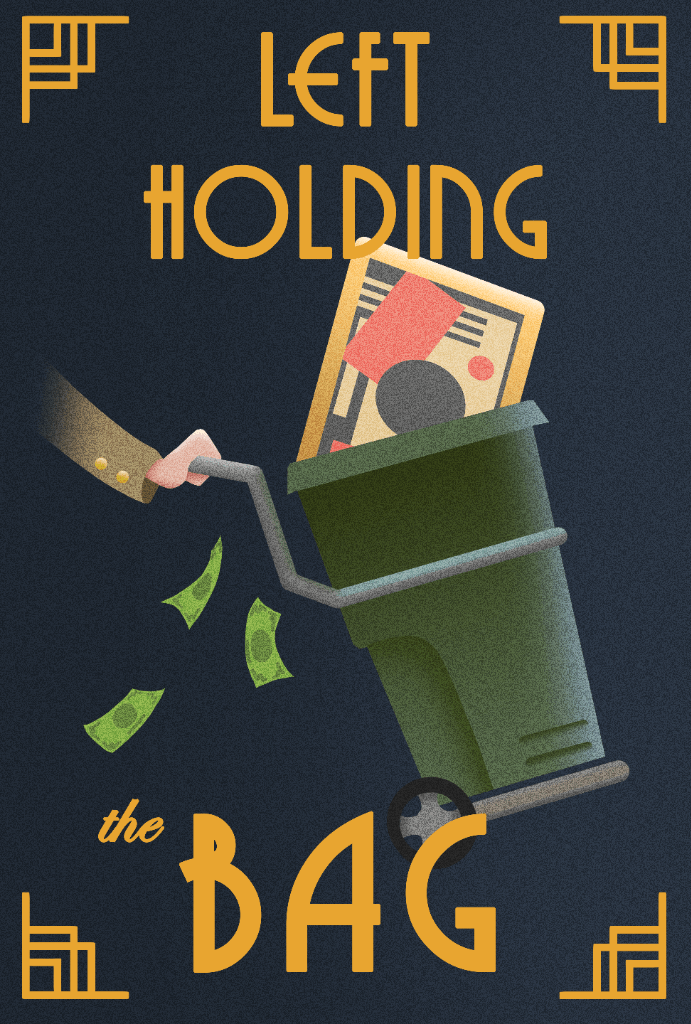
The first thing I did when I left my job was write a stage play. Whenever I talked about the project, I called it ‘a piece of candy’. It was a silly story about a group of young adults who stole a priceless painting with no plan on how to sell it. It was a farce, it couldn’t possibly be art! That was how I justified it to myself. After the staged reading, I left the script to rot. To me, it wasn’t art, it was a fun way to entertain people.
The Genre Writer
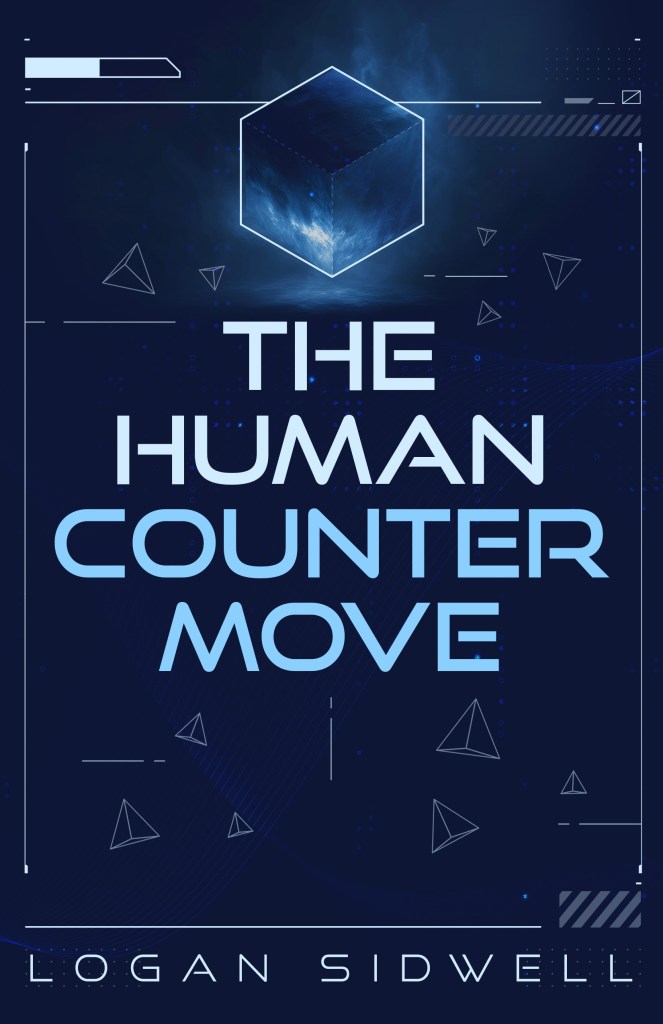
A year ago I published my first book, The Human Countermove. You’d think physically selling the product of my own creative labor would be enough for me to recognize myself as an artist. It wasn’t.
First, my novel was a science fiction, a genre piece, not art. It was inspired by my love of chess, how could something with a gaming origin be artistic? If the story resonated with audiences, it just meant I was doing my job. It was the mechanical process of pulling the levers of human emotion.
Breaking A Mental Block
It could be that I associated ‘art’ with awards, and I associated awards with the elites, and when I imagined my writing, I didn’t see myself as writing for elites. I even attended an event called ‘arts in the park’ and didn’t put it together.
Regardless, it was something benign that finally shattered the glass.
I filed my taxes.
In past years, I’ve always been able to list my job as ‘Software Engineer’. It was a useful box to put myself in. I was a coder with a fiction writing hobby.
This year that wasn’t an option. At the top of my 1040, I was forced to mark the option labelled ‘self-employed’. One line down, those damn taxmen forced me to identify myself as what I am. A novelist. I was a novelist.
A couple weeks later I was talking to one of my engineering friends. He asked me about my latest novel, the fool. As I described it, I made two realizations. One, it was super weird. And two, the message was core to the material. Market appeal hadn’t even occurred to me. I was writing the story because I wanted to tell it, because I wanted to see it in the world. I couldn’t escape the label anymore. I was making art.
Looking back, I had been making art from the start. My novel wasn’t just a sci-fi dystopia, it was a discussion about our relationship with technology and the modern world’s instinct to strip fulfillment from our lives. My ‘piece of candy’ stageplay explored the way a single painting could mean seven things to seven people. Even my old starship ed-tech stuff explored themes of overconsumption, greed, and good and evil.
Regardless of how I felt about the quality of my work, everything I had done was creative and contributed to society’s conversation of life and philosophy.
Capitalism Ruins Everything
As I look back on my avoidance of the ’artistic’ label, there’s one particular mental block that was harder to overcome than the rest. Every time I finished writing a story, I had to sell it.
If you ever ask an author how to sell a book, they’ll always tell you the same thing, “Push your writer brain out of the room and bring in the business brain”. In order to survive, I had to sell my work, and in order to sell my work, I had to reduce it to its most basic components. Content Type: Book, Genre: Dystopian Sci-fi, Audience: Fans of Chess, etc. etc.
When I write, I write from the heart. The day my writer brain finishes his writing, the business brain cuts the mental umbilical cord and sees the work through the eyes of a capitalist. Stories become content. Content becomes products. I wasn’t a writer, I was a content creator. I wasn’t a novelist, I just wrote books.
It’s only in the last few months that I’ve realized what I’ve been doing the whole time. The reason I pick the stories I pick is not because of their market appeal, it’s because I resonate with the message. I dabble and practice and experiment, not to produce a more appealing product, but to tell better stories.
Conclusion
If you’re in the creative field, you’re an artist. It’s easy to gatekeep. The capitalist world is eager to tell you that you aren’t artistic until you can make money from your work. The inherent danger in that attitude is that you reduce your work to its success financially, and what makes a bestseller is different from what makes a resonant story.
The topic of profitability is a regular guest at my writer’s group. I suspect the same is true of every writer’s group in the country. By limiting ourselves to a particular view of success, by refusing to allow ourselves the label of ‘artist’, we cut off what may be our most personal and most meaningful works.
Every writer I’ve ever met has been, to some degree, trying to express themselves through their storytelling. They are all artists. No one goes into it for the money. So how do we keep getting tricked into dropping the label and defining ourselves by the singularly reductive metric of ‘total sales’?

